
I do not trust myself to invent a perfect keto snack when I am already hungry, tired, and standing in front of the pantry.
That is how the old pattern starts for me. I open a cabinet “just to look,” then I keep negotiating with myself until a small snack turns into grazing.
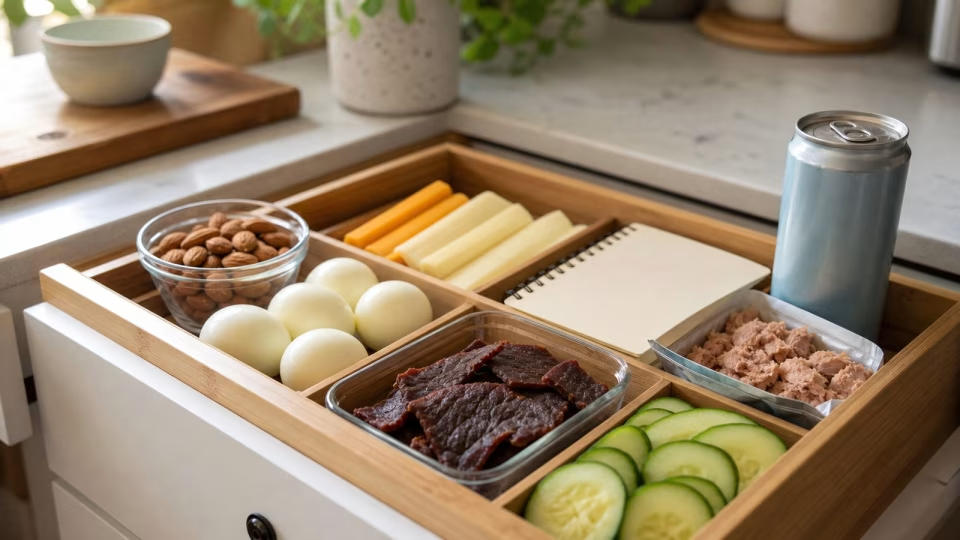
The low-carb snack drawer is my boring fix. It is not a magic health system. It is just a place where I keep the options I can trust when my brain is trying to make food complicated.
Quick verdict
Short answer: My snack drawer works when it is protein-first, boring enough to avoid food noise, and portioned enough that I do not stand there eating from a bag.
- Best use: busy days, late work nights, errands, and “I need something before I make a worse decision” moments.
- Bad use: turning every quiet evening into snack time.
- My rule: if it makes me want more snacks, it does not belong in the drawer.
Why I built one
I used to think the answer was more discipline. That did not work very well.
The real issue was timing. I was usually looking for a snack when I had already waited too long, worked too late, skipped real food, or let the house get empty. In that moment, I did not need a recipe. I needed a safe default.
That is why the drawer exists. It gives me a short list before my cravings start writing their own menu.
What earns a spot
The best snack-drawer foods are not always the most exciting foods. That is the point.
- Cheese sticks or cheese portions: easy, predictable, and not something I usually overeat by accident.
- Jerky or meat sticks with a label I trust: useful when I am away from cooked food, but I check for sugar and weird serving-size tricks.
- Plain pork rinds: helpful crunch, especially when chips are the thing I want to replace.
- Hard-boiled eggs: not technically a drawer food, but they sit in the fridge as the same kind of emergency default.
- Tuna packets or leftovers: less snacky, more mini-meal, which is usually better for me.
- Pickles or cucumbers: not a full answer by themselves, but useful when I want crunch without turning to sweet keto treats.
I keep nuts carefully portioned if I keep them at all. A big open bag of almonds is not a snack drawer for me. It is a grazing invitation.
What does not belong in mine
This is where I had to be honest. Some foods technically fit keto and still make my day harder.
Mistake / fix
The mistake
Stocking "keto treats" because the label looks safe.
Why it backfires
The front label can fit keto while the food keeps me wanting more snacks.
The smaller fix
Stock foods that calm the situation instead of keeping sweet cravings loud.
I avoid snack bars, sweet keto candy, big jars of peanut butter, and anything I keep wanting after I am no longer hungry. Those are not bad foods for everyone. They are just bad drawer foods for me.
My snack drawer rules
The rules I actually follow
- Keep choices boring enough that they do not become entertainment.
- Buy small packs or portion big packs before they go in the drawer.
- Pair snack foods with real protein when I am actually hungry.
- Do not keep foods I already know turn into “just one more.”
- Restock before the week gets busy, not after the house is empty.
When I skip the snack and eat a meal
Sometimes the drawer is not the answer. If I skipped lunch, trained hard, slept badly, or keep thinking about food after a snack, I probably need an actual meal.
That was a big lesson from my keto snack problem. Snacks helped when they prevented a worse decision. They hurt when I used them to avoid making real food.
The bottom line
My low-carb snack drawer is not about eating more snacks. It is about reducing panic decisions.
The drawer works when it is simple, portioned, and honest about my trigger foods. If it turns into a treat shelf, I lose the whole point.
Related reading
- The Keto Snack Problem: Why Snacking Kept Me Hungry
- My Current Keto Staples: The Foods I Keep Coming Back To
- How Food Noise Got Quieter When I Stopped Grazing
- My “No Food in the House” Keto Emergency Plan
Sources and further reading
Leave a Reply
You must be logged in to post a comment.