
Hidden carbs and sweeteners are the first things I audit when keto starts feeling harder and I cannot immediately tell why.
I already wrote separate posts about hidden carb traps, sweeteners on keto, and the quick-reference sweetener table I use for labels. This is the combined version I come back to when the day starts feeling off.
Because sometimes the problem is not one huge mistake. Sometimes it is five tiny things I stopped noticing.
A sauce here. A sweetener there. A tiny serving size. A “keto” snack that keeps cravings loud. A coffee add-in that quietly turns into dessert. None of it looks dramatic on its own, but repeated all day it can make keto feel confusing again.
That is when I run the boring audit.
Quick verdict
Short answer: When keto feels confusing, I audit labels before I blame discipline.
- Best for: stalls, louder cravings, or sugar-free products that seem harmless.
- Skip if: you are already eating mostly simple real food and nothing feels off.
- Next step: check serving size, total carbs, ingredients, sweeteners, and your craving response.
The front of the package kept fooling me
Early on, I wanted the front label to do the thinking for me.
Keto. Low carb. Zero sugar. Sugar-free. No added sugar. Protein. Net carbs. Those words felt like permission to relax.
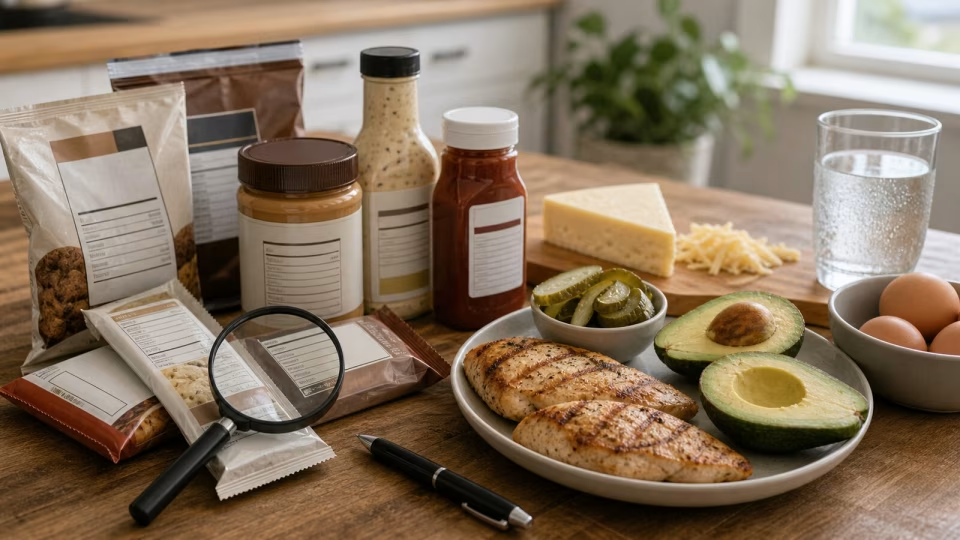
The problem is that the front of the package is not the whole story. The back tells me the serving size, total carbs, ingredients, sugar alcohols, added sugars, and the little filler words that can matter when I repeat them often enough.
That does not mean every packaged food is bad. It means I stopped letting the marketing headline count as label reading.
| Front-label claim | What I check next | Why it matters |
|---|---|---|
| Sugar-free | Sweetener type, serving size, and sugar alcohols. | Some products still keep cravings loud for me. |
| Keto or low carb | Total carbs, realistic serving, and ingredients. | Tiny serving sizes can make the math look cleaner than my actual eating. |
| No added sugar | Starches, syrups, juice concentrates, and fillers. | No added sugar does not automatically mean no carb impact. |
| Zero-calorie drink | Whether it makes plain water and real food less appealing later. | My craving response is part of the label audit now. |
The hidden carbs I check first
When something feels off, I start with the places hidden carbs usually sneak in for me:
- Sauces and condiments. Ketchup, barbecue sauce, sweet dressings, glazes, marinades, and restaurant sauces can turn a clean protein into a carbier meal than I meant to eat.
- Deli meats and processed meats. I check for sugar, dextrose, starch, syrup, or anything that makes a plain protein less plain than I thought.
- Seasoning blends. Some are fine. Some include sugar, starch, maltodextrin, or fillers that I would rather know about before I dump them on everything.
- Nut butters and “healthy” spreads. Plain is usually safer for me. Flavored versions can get weird fast.
- Packaged keto snacks. The serving size matters. If the bag says multiple servings and I treat it like one serving, the label did not trick me. I tricked myself.
That last sentence is annoying, but it is true.
The sweetener trap is not only blood sugar
I used to make keto sweeteners a math-only issue. If the carbs looked low, I treated it like a win.
Now I ask a second question: what happens to my cravings after I eat it?
Some sweeteners or sweet products fit the label but still keep the sweet loop alive for me. A keto dessert can make me think about dessert all night. A sugar-free candy can make food noise louder tomorrow. A drink mix can make plain water feel boring again.
That does not make every sweetener bad. It just means the label is not the only data point. My own response counts too.
My coffee and drink check
Coffee used to be one of my sneakiest spots because I would tell myself it was “just coffee.”
Plain coffee with cream is simple enough for me. The trouble starts when a small splash of sugar-free flavor turns into a dessert routine, then another one later, then a night where plain food sounds boring and sweet taste is still running the show.
Now I treat drinks like food labels. If the drink keeps cravings louder, I do not care that the front says zero sugar. My own pattern gets a vote.
The ingredients that make me slow down
These are the words that make me stop and read more carefully:
- maltitol
- maltodextrin
- dextrose, glucose, maltose, fructose, or sucrose
- corn syrup, rice syrup, honey, agave, molasses, or juice concentrates
- starch, flour, or fillers in powders and blends
- “sugar alcohol” without knowing which one
Seeing one of these does not automatically mean I panic. It means I stop letting the front label make the decision for me.
My 60-second hidden carbs and sweeteners audit
This is the quick checklist I use now:
- What is the serving size, and would I actually eat only that?
- What are the total carbs before I start arguing about net carbs?
- Are added sugars listed?
- Do the ingredients include sugar names, syrups, starches, maltodextrin, or dextrose?
- If there are sugar alcohols, which ones?
- Does this food usually make cravings quieter or louder for me?
- Would a simpler real-food option solve the same problem?
The last question is the one that saves me most often. A lot of the time, I do not need a better keto product. I need eggs, beef, chicken, fish, avocado, lettuce, pickles, cheese, water, and salt.
What changed when I cleaned this up
I did not become perfect. I just stopped letting these things stay invisible.
- I bought fewer packaged keto treats.
- I used sauces and dressings more carefully.
- I stopped treating sugar-free candy like free food.
- I checked deli meat, seasoning blends, and coffee add-ins instead of assuming they were fine.
- I paid attention to whether sweet taste made food noise louder later.
The result was not dramatic overnight. It was steadier. Fewer confusing weeks. Less random food noise. Fewer “why does keto feel harder again?” moments.
What I stopped doing
- Trusting “keto” on the front without reading the back.
- Counting tiny serving sizes like they matched how I actually eat.
- Ignoring sauces because the main food was low carb.
- Using sweeteners every day and acting surprised when sweet cravings stayed loud.
- Buying keto snacks when what I really needed was a real meal.
The bottom line
Hidden carbs and sweeteners kept derailing me because I wanted them to be small details.
They were not always small once I repeated them. Serving sizes, sauces, fillers, sugar alcohols, sweet taste, and keto-branded snacks all added friction.
The fix was boring: read the label, check my actual behavior, and choose real food more often when the product starts making the day louder.
Not exciting. Useful.
Is sugar-free always keto?
No. Sugar-free only tells me one part of the story. I still check carbs, serving size, ingredients, sugar alcohols, and what it does to my cravings.
Do I avoid every sweetener?
No. I just stopped treating sweeteners like free food. If a sweet product makes food noise louder later, that matters more to me than the front label.
Key takeaway: The label is only half the audit. My cravings after the food are the other half.
Real food is still the cleanest fallback when a product makes the day louder.
Related reading
- The Hidden Carb Traps That Still Got Me (Even When I Thought I Was Strict)
- Artificial vs Natural Sweeteners on Keto: What I Actually Use Now
- Keto Sweeteners and Additives: A Quick Reference Table
- How Food Noise Got Quieter When I Stopped Grazing
- What I Eat After a Bad Keto Day
- Keto Bloating, Fiber, and Sugar-Free Candy: What I Learned the Hard Way
Leave a Reply
You must be logged in to post a comment.