

Keto and mood was not what I expected
The first few weeks of keto were rough on my head.
Headaches. Irritability. Heavy tired feeling. That foggy “why did I walk into this room?” brain.
I fixed the obvious stuff first: water, salt, electrolytes, enough real food, less chaos. I figured that was the whole mental side of keto. Get through the rough start, stop feeling terrible, move on.
Then around the 90-day mark, something changed in a quieter way.
The mental noise felt lower. I was not snapping at small stuff as much. Decisions felt a little easier. Even on a long shift, I was not reaching for snacks or more coffee just to stay awake.
Not a miracle. Not a cure. Just steadier.
The first month was not peaceful
Early keto did not make me calm and focused right away.
I was foggy, cranky, and tired. I blamed it on carb withdrawal and tried to push through with coffee and willpower.
Looking back, a lot of it was not mysterious. I was sloppy with the basics: not enough water, not enough salt, skipped meals, bad sleep, late caffeine, stress, and too many sweet keto loopholes.
I may have been technically low carb, but my system was messy. My brain was not impressed.
After 90 days, the fog felt different
Once I got the routine cleaner, the change was not dramatic. It was more like the background noise turned down.
Mornings felt sharper. The afternoon crash was not as loud. Work stress still existed, but it did not push me toward snacks as fast. Little irritations did not turn into a whole spiral as often.
I started keto for energy and the scale. The mood and clarity part became something I noticed later.
What actually made the difference for me
It was not one magic day. It was the same boring systems finally stacking up.
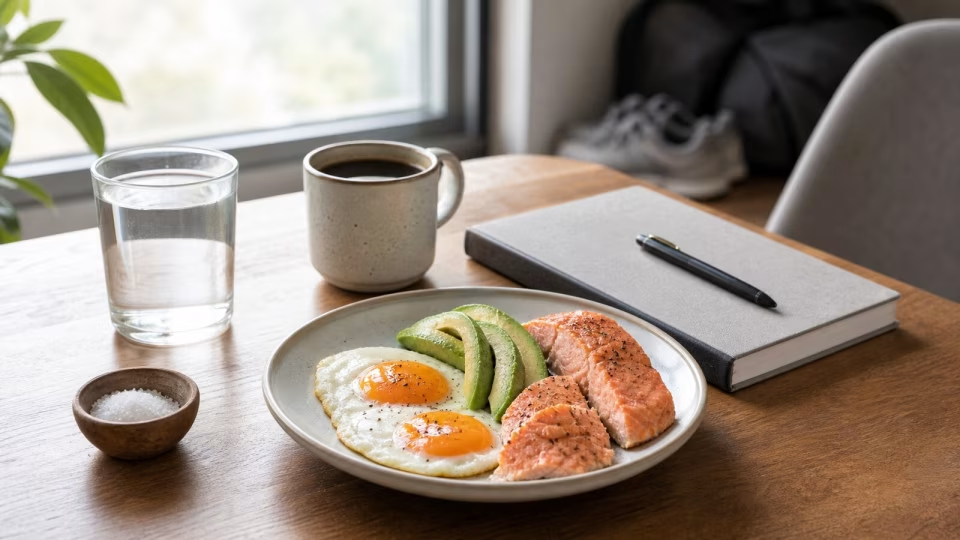
- Real food every meal. Eggs and avocado. Chicken or ground beef. Salmon, steak, ham, lettuce-wrapped meals, and good locally sourced cheese with clean ingredients when I can get it. I do better with food that looks like food.
- Electrolytes before panic. Salted food, actual water, avocado, careful NoSalt when it fits, and magnesium matched to the problem. Dehydrated and undersalted is not my best personality.
- Sleep and caffeine timing. No late coffee when I can avoid it. Gym earlier when possible. Phone away earlier. Bad sleep makes everything feel louder.
- Less sweetener noise. Even sweeteners that technically fit can keep the dessert loop alive for me. Cutting them down helped the cravings quiet down.
Food as medicine, but carefully
There is a lot of public talk right now about food as medicine, including from RFK Jr. and the broader real-food conversation. I understand why that message lands. I felt better when I stopped building my day around processed keto loopholes and started eating real meals.
But I do not want to turn my experience into a giant medical claim.
Keto did not become my therapist. It did not cure every stressful day. It did not make mental health care irrelevant. Newer research around ketogenic diets and mental health is interesting, especially in metabolic psychiatry, but it still needs careful language and real professionals involved.
My practical takeaway is smaller: food quality, sleep, hydration, caffeine timing, and routine can change how my days feel. Serious mood symptoms still deserve serious support.
My mood-on-keto checklist
When my head starts feeling loud again, I run this before blaming keto.
- Did I eat real food today, or mostly snacks and coffee?
- Did I drink actual water and salt my food?
- Did I sleep enough, or did caffeine and screens win?
- Did sweeteners or keto treats bring the cravings back?
- Did I move at all, or did I sit stressed all day?
- If this feels bigger than food and routine, am I willing to get actual help?
Usually one or two items are off. If fixing the basics does not help, that is information too.
What I stopped doing
- Treating keto snacks and sweeteners like free mood stabilizers.
- Blaming “keto brain” when it was actually sleep, stress, dehydration, or skipped meals.
- Expecting perfect mental clarity in the first month.
- Using food, even keto food, to handle every stressful feeling.
The bottom line
The first 90 days taught me that mental clarity was not just about cutting carbs. For me, it showed up when the boring systems lined up: real food, electrolytes, water, sleep, less late caffeine, and less sweetener noise.
It is not magic. It is not a treatment plan. It is just steadier days, quieter cravings, and a brain that feels like it is working with me instead of against me.
Keto is still a direction, not a fragile object. The mood part just made me want to keep walking it.
Related reading
- Bad Sleep, Work Stress, and Coffee Made Keto Feel Much Harder
- Keto Electrolytes: What Actually Worked for Me – Salt, Potassium, Magnesium, and Water
- Real Food Keto: Meat, Eggs, Avocado, and No More Fake Meals
- What Sustainable Keto Actually Looks Like for Me Now
- Lifting Weights on Keto: What Helped Me Stop Crashing
- Keto Cravings at Night: What Helped Me Stop Raiding the Kitchen
Leave a Reply
You must be logged in to post a comment.