

I already wrote about how food noise got quieter when I stopped grazing. This is the next layer I had to learn: not every food thought is real hunger.
For years I treated every signal the same. Stomach rumble, boredom, stress, seeing food on my phone, smelling something good, wanting a reward after work – all of it got filed under hunger.
That made keto harder than it needed to be. I was not just feeding my body. I was feeding every little interruption in my day.
The useful shift was learning to pause long enough to ask what kind of hunger I was actually dealing with.
Real hunger feels different when I actually listen
Real hunger is usually calmer for me. It builds. It does not always demand one specific food. If I am truly hungry, eggs, leftover chicken, tuna, burger patties, or a simple plate of real food sounds fine.
Food noise is different. Food noise is louder and more dramatic. It usually wants a specific texture or feeling: crunchy, sweet, creamy, salty, fun, convenient, or comforting.
That does not mean food noise is fake. It feels real in the moment. But it usually needs a different answer than another random snack.
The plain-food test still works
This is the fastest test I use:
If I would eat plain eggs, leftover meat, tuna, chicken, or a simple keto meal, I am probably hungry.
If I only want something sweet, crunchy, packaged, or exciting, I am probably dealing with food noise, boredom, stress, tiredness, or a habit loop.
The test is not perfect. Sometimes I am truly hungry and still want something fun. But it gives me enough clarity to stop pretending every urge is the same thing.
My one-minute hunger check
When I feel that pull toward food, I ask five boring questions:
- When did I last eat a real meal?
- Would plain real food sound good right now?
- Did this start after I saw, smelled, or thought about food?
- Am I tired, stressed, bored, annoyed, or procrastinating?
- Have I had water, salt, and enough protein today?
If the answer points to real hunger, I eat a real meal. Not a handful of keto fragments. A meal.
If the answer points to noise, I wait 10 to 20 minutes and do something that changes the signal: water, salt, a short walk, brushing my teeth, getting away from the kitchen, or finishing the thing I was avoiding.
The pattern I kept missing
The loudest food noise usually showed up when I had skipped something earlier.
- I skipped a real lunch and tried to run on coffee.
- I ate cheese and snacks instead of protein.
- I slept badly and wanted food to fix a tired brain.
- I drank coffee but forgot water.
- I kept sweet keto foods around and called it discipline.
When those things lined up, every craving felt urgent. The fix was not to shame myself for wanting food. The fix was to stop setting up the day in a way that made the noise louder.
What I do when it is real hunger
If I am truly hungry, I try to respect that instead of playing games with it.
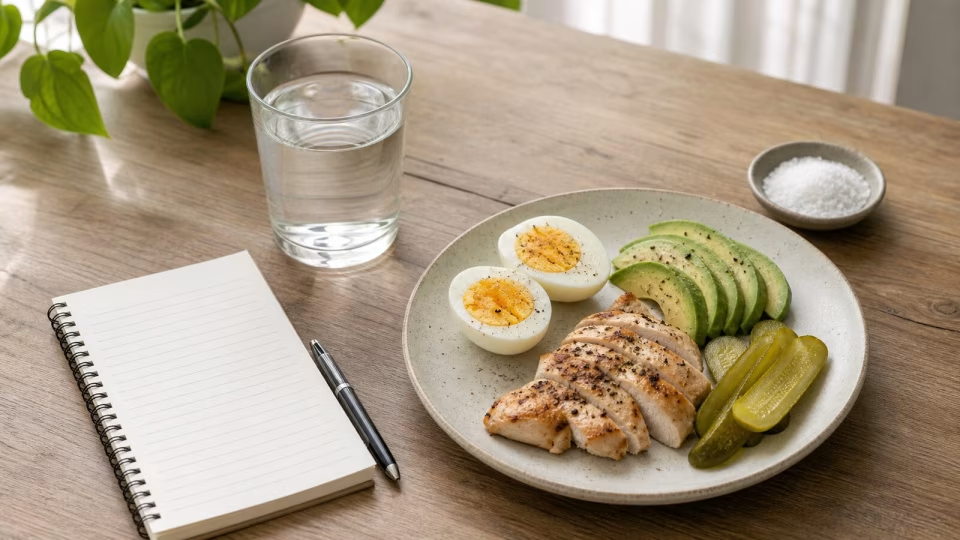
That means a real-food meal: eggs and avocado, ground beef over lettuce, burger patties with pickles, chicken with a simple side, tuna with mayo and cucumber, salmon with greens, or whatever boring protein I have ready.
I do better when the meal has enough protein, salt, and fat to actually land. A tiny snack usually just keeps the conversation open.
What I do when it is food noise
If it is food noise, I try not to argue with it forever. I just change the situation.
- I drink water and salt my next meal properly.
- I leave the kitchen instead of standing there negotiating.
- I take a short walk if the urge is stress or boredom.
- I brush my teeth if it is nighttime snack mode.
- I eat real food if the urge does not pass and hunger becomes obvious.
That last part matters. The goal is not to ignore my body. The goal is to stop treating every craving like an emergency.
What I stopped doing
- Calling every craving hunger.
- Using keto snacks as the first answer to every uncomfortable feeling.
- Skipping real meals and acting surprised when food got loud later.
- Trying to solve exhaustion with crunch.
- Feeling guilty for food noise instead of reading it as a signal.
The bottom line
Food noise and real hunger can feel similar when I am not paying attention. Keto got easier when I stopped answering both with the same snack.
Real hunger gets real food. Food noise gets a pause, water, salt, movement, sleep, or a better system for the next meal.
That tiny pause changed more than I expected.
Related reading
- How Food Noise Got Quieter When I Stopped Grazing
- The Keto Snack Problem: Why Snacking Kept Me Hungry
- Keto Cravings at Night: What Helped Me Stop Raiding the Kitchen
- Real Food Keto: Meat, Eggs, Avocado, and No More Fake Meals
- What I Eat After a Bad Keto Day
- Artificial vs Natural Sweeteners on Keto: What I Actually Use Now
Leave a Reply
You must be logged in to post a comment.